
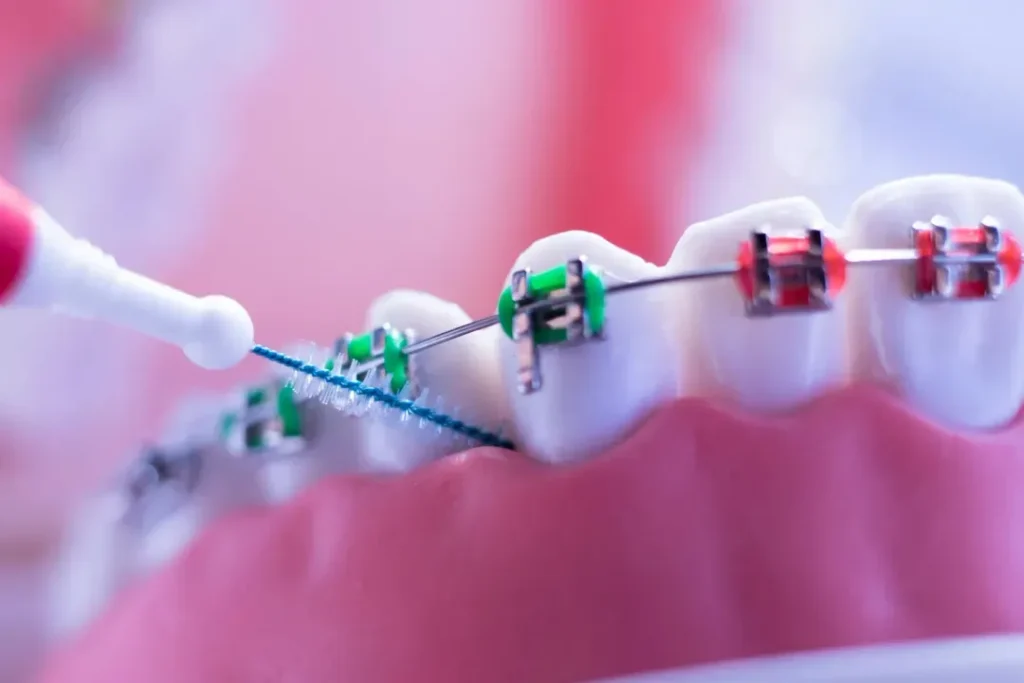
Hearing that your braces need to be “tightened” can make patients feel uneasy. You might imagine soreness, long appointments, or even struggling to eat afterward. These concerns are common, but the truth is much less intimidating. Adjustments are a normal and necessary part of orthodontic treatment, and they aren’t nearly as uncomfortable as you may think. If you’re considering metal braces in Birmingham, knowing what happens on adjustment day can help you feel prepared, calm, and ready to continue building your smile.
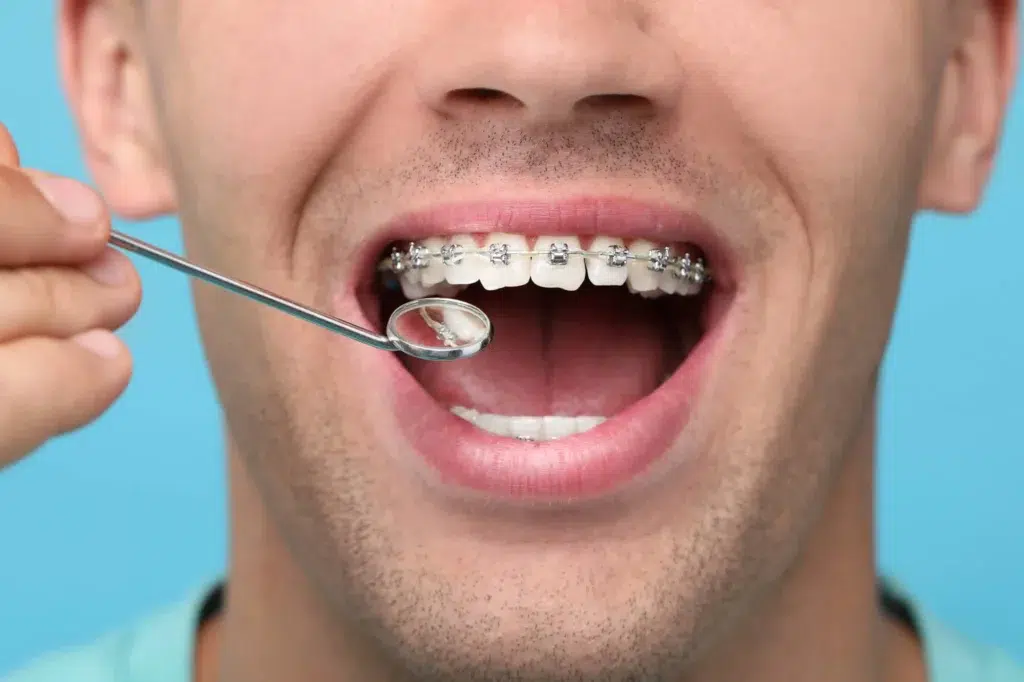
Adjustments are short visits, often lasting between 20 and 30 minutes, that keep treatment on track. Your orthodontist removes the elastic ties, lifts the wire, and checks each bracket and tooth.
They assess bite, look for irritation, and make small refinements so teeth continue moving safely and efficiently. If anything feels sharp or loose, it’s addressed on the spot. You’ll leave with updated instructions and plans for the next few weeks.
Your orthodontist may swap the current arch wire for one that delivers the right amount of gentle, continuous force. Early in treatment, flexible nickel-titanium wires help align crowded teeth; later, stiffer stainless-steel or beta-titanium wires fine-tune bite and root position.
The doctor might add bends, coil springs to open space, or a power chain to close gaps. Wire ends are trimmed and tucked so they don’t irritate cheeks. You may feel brief pressure as the wire is seated, but it only lasts for a few seconds.
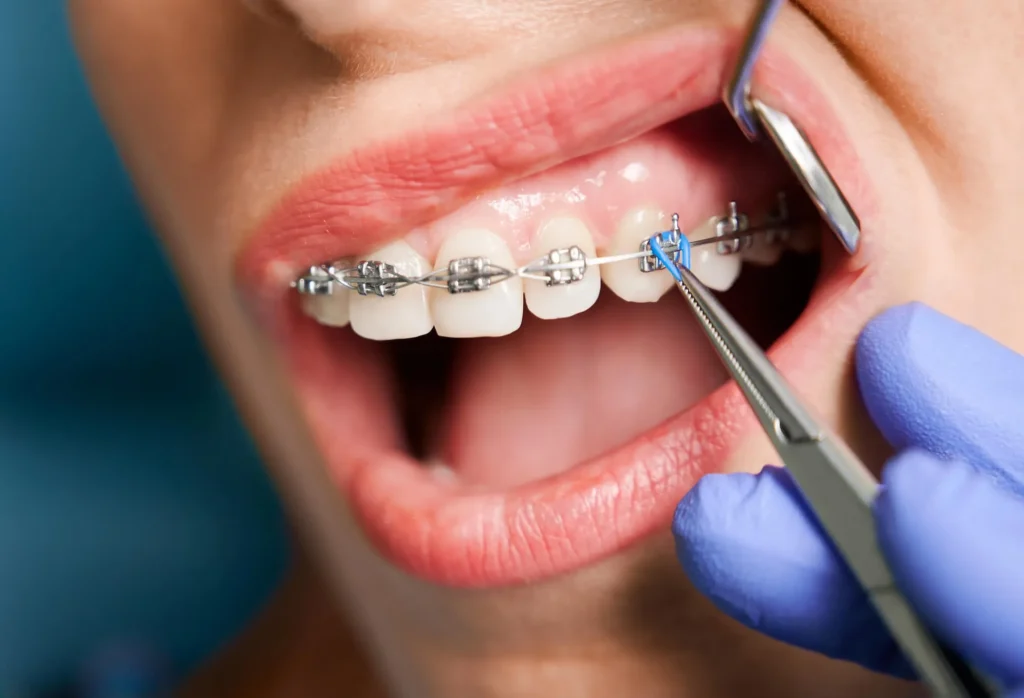
Elastic ties (ligatures) hold the wire in the bracket slots. They’re replaced at each visit—your chance to pick fresh colors for school spirit, seasons, or a neutral look. Some cases use linked “power chains” to close spaces faster.
If you wear self-ligating brackets, a small door or clip is opened and closed instead of using ties. Your orthodontic team will add wax if any area rubs and will review how to keep ties clean and stain-free.
Your orthodontist reviews tooth movement, compares it to the plan, and makes any needed repairs (like a loose bracket). Photos or a quick scan may be taken; occasional X-rays check the root position.
Minor enamel polishing between teeth (IPR) may be performed to help alignment. You’ll get guidance on elastic wear, brushing and flossing around brackets, and which foods to choose for the next day or two while teeth settle.
Without adjustments, teeth wouldn’t continue moving as planned. Some would shift faster than others, while certain spaces might remain open. Adjustments are what guide everything into proper alignment. Think of your orthodontist as the coach and your teeth as players on a team. The braces are the equipment, but it’s the check-ins that keep the team moving toward the goal of a healthy, confident smile.
A little preparation helps make your adjustment appointment easier and more comfortable.
Since your teeth may be sensitive afterward, enjoy a hearty meal before you arrive. This ensures you won’t have to chew as much while tenderness is at its peak.
Plan ahead with foods like pasta, mashed potatoes, smoothies, oatmeal, or scrambled eggs. These are gentle on sore teeth and still provide good nutrition during the first day or two.
If you’ve noticed a poking wire, loose bracket, or unusual discomfort, share this with your orthodontist. Adjustments are the perfect time to fix small problems before they turn into larger ones.
Brushing and flossing before your appointment helps the orthodontist work more efficiently. Clean teeth and braces also reduce the risk of irritation, making the visit smoother overall.
Most patients feel mild soreness or tenderness for a day or two after an adjustment. This is normal and a sign that your braces are working.
The tenderness usually improves quickly. Many patients find that adjustments become easier and more predictable as their treatment progresses.
Many misconceptions make adjustments seem scarier than they are.
In reality, you may feel some pressure, but it is not the painful cranking people sometimes imagine. The sensation usually fades within a couple of days and can often be managed with simple comfort strategies. Many patients even report that each adjustment feels easier than the last as they get used to the process.
You’ll want softer foods for a short time, but you can return to your usual diet quickly. While you may prefer soups or smoothies at first, most people are back to their normal meals within 48 hours. The key is listening to your body and avoiding hard or sticky foods that could stress brackets or wires.
Most appointments last less than 30 minutes. Orthodontists are efficient, and the process is streamlined, so you can get back to school, work, or daily activities without much interruption. Short, consistent visits are what keep your braces moving your teeth effectively and safely.
Adjustments are carefully planned to move teeth safely while protecting your oral health. Orthodontists use precise forces that guide teeth gradually into alignment, never rushing the process. This approach ensures your teeth and gums remain healthy while your smile improves.
Most patients find that adjustments become routine. Knowing what to expect and how to handle minor soreness makes the process manageable.
At Dyer Orthodontics, we know adjustments can sound intimidating, but our goal is to make them as smooth and comfortable as possible. We offer modern techniques, personalized care, and a supportive team that keeps your smile moving in the right direction.
If you’re considering metal braces in Birmingham or have questions about your next adjustment, we’re here to help guide you. Schedule your free consultation today and let us help you achieve the confident, healthy smile you deserve.